If you’re trying to lose weight, you’ve probably asked yourself this classic fitness question: cardio or strength training—which one works better? Some people swear by long runs and sweaty spin classes, while others claim lifting weights is the only way to go. The truth is, both forms of exercise have benefits, and choosing the right one often depends on your goals, preferences, and lifestyle. In this post, we’ll break down the pros and cons of each approach to help you figure out what’s best for your weight loss journey.
What Cardio Brings to the Table

Cardio—short for cardiovascular exercise—includes things like running, swimming, cycling, or even brisk walking. It gets your heart rate up, boosts circulation, and helps burn calories quickly. For many people, it’s the go-to workout for shedding pounds. Cardio is especially effective for improving endurance and heart health, which are crucial if you’ve been sedentary for a while. You’ll often hear cardio recommended for beginners because it’s easy to start and doesn’t necessarily require equipment. Many popular fitness plans, as seen on Havok Journal, emphasize the mental and physical benefits of a consistent cardio routine—not just for fat loss, but for overall wellness and mental clarity.
The Strength of Strength Training
Strength training, on the other hand, focuses on building muscle through resistance. This includes lifting weights, using resistance bands, or doing bodyweight exercises like squats and pushups. While it may not burn as many calories in a single session as cardio, strength training has a powerful edge: it boosts your resting metabolism. In other words, the more muscle you have, the more calories your body burns—even when you’re doing nothing. That long-term calorie burn can be a game-changer for sustainable weight loss. Plus, strength training helps you tone up and reshape your body, which many people find more rewarding than just watching the scale move.
The Myth of “Either-Or”
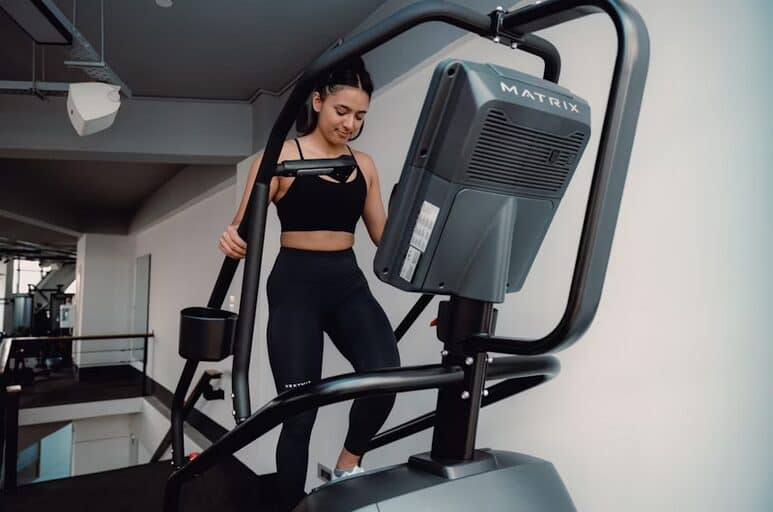
One of the biggest misconceptions in fitness is that you have to choose one or the other. Cardio and strength training are not rivals—they’re teammates. Cardio can help you burn fat faster, while strength training helps you keep it off. When combined, they support each other and lead to better results overall. Think of cardio as the engine that gets things moving, and strength training as the foundation that keeps everything running smoothly. You don’t have to be a gym rat or a marathon runner. Mixing both into your weekly routine—even in small amounts—can maximize your efforts.
What’s More Sustainable?
Let’s be honest: the best workout is the one you’ll do. If you dread running, it’s not going to work long-term. If weights intimidate you, you’re unlikely to stay consistent. Sustainability is key when it comes to weight loss. Try different activities and figure out which ones you enjoy. Maybe you like group dance cardio classes or short home workouts with dumbbells. What matters most is building habits that fit your life. When you find movement you don’t hate, you’ll stick with it—and that’s where real progress happens.
Choosing What Works for You

Everyone’s body responds differently to different types of exercise. Some people lose fat faster with cardio; others see more progress by lifting. Your personal preference, current fitness level, and even stress levels play a role. The ideal plan often includes a bit of both, tailored to your goals. If fat loss is your primary goal, start by moving more consistently—whether that’s walking, lifting, or a mix of both. Once you’re in the habit, you can tweak your workouts to better suit your progress and preferences.
So, which is better for losing weight—cardio or strength training? The honest answer: it depends. Both have their strengths, and combining them often gives the best results. Cardio burns calories quickly and improves heart health, while strength training builds muscle and boosts long-term metabolism. Instead of choosing sides, aim for balance. Find the mix that motivates you and fits into your lifestyle. At the end of the day, the most effective workout is the one you’ll do consistently—and enjoy doing.…












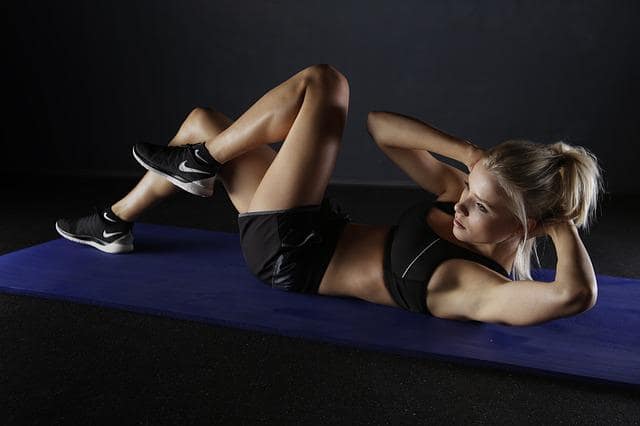 Exercise is another key component of losing weight. When you get your heart rate up and break a sweat, you burn calories and fat. And the more you exercise, the more calories you’ll burn. So make sure to get in some exercise every day, even if it’s just a walk around the block. However, you must take it easy when you first start out. If you push yourself too hard, you could end up injuring yourself. Just listen to your body and take it slow at first. Over time, you can increase the intensity and duration of your workouts.
 When looking at assisted living facilities, you’ll want to consider the offered services. Does the facility provide transportation? Are there on-site activities? What kind of care is available? Make sure the facility offers vital services for you and your loved one. Find a facility that can meet their needs and provide the level of care that you’re looking for.
 The staff at an assisted living facility can make a big difference in the quality of care your loved one receives. Ensure to meet with the team and get a sense of their experience and expertise. Find out what the staff-to-resident ratio is and how they handle difficult situations. You should feel confident that the staff can provide the care your loved one needs.
 People discover that their disposition and overall notions are happier and more optimistic within a brief period of taking food supplements. This might not be the case for everybody. Still, many men and women who start to ingest the necessary amounts of
 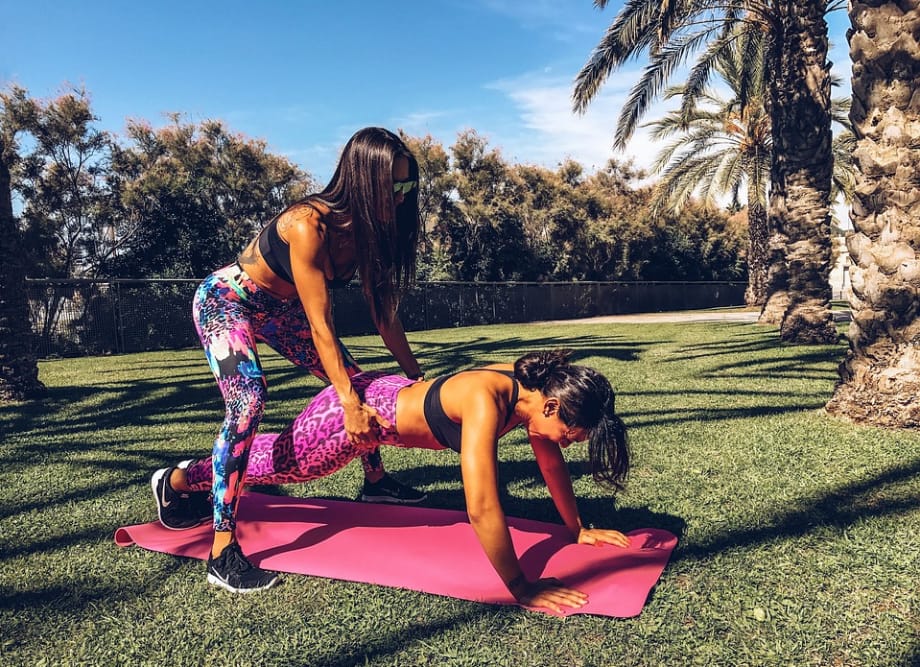 While those are just two examples of these benefits obtained from taking food supplements, they could be the most significant. Energy, wellbeing, and mood are all vital elements in our overall health and joy. There’s also the nervous system, hair, eyes, nails, and our sexual wellbeing that benefit from using supplements. Feeling best in your mind and body could be credited to choosing quality food supplements of varying types. With the manner food manufacturing and quality are now, we want our supplements for sure.…



 Baseball is a great strength training sport. Your shoulders and arms can gain considerably by throwing a baseball over the region. The entire upper body can also gain quite a bit with each swing of the bat. However, when running to the base on the ground and going for the ball, there is not too much constant movement. So while baseball will have the ability to help you burn fat and calories, you may choose to measure some of that. But before you start playing baseball, you should first undergo training.



 Concerning safety, simulation allows you to train tomorrow’s health professionals without putting today’s patients at risk. When real-world training is not acceptable due to safety concerns, simulation provides an opportunity to learn the essential and challenging skills needed for safe and reliable system operation. In high-risk environments, such as aviation and military operations, operators cannot control until they have achieved a predetermined level of performance proficiency in a simulated environment.
 Simulations have the advantage of creating conditions that optimize the learning process. Much learning in the clinical setting occurs sporadically. What is learned through regular rotation depends mostly on the particular mix of individual demands to which collaborators are exposed. The second wave of collaborators will encounter a different blend of individual complaints. The growth of optimal study defines the intentional manipulation and scheduling of human demands, equipment anomalies, and organizational things together to expose contributors to an appropriate level of clinical struggle.
 Suppose you feel like you can’t perform accurately without using it to miss significant events or exercises with family and friends. The use of it becomes a daily routine as if you feel you need it. If your work, education, or institutions are negatively affected by your personal use. Suppose you lie to yourself or others about your service if your use makes you unhappy. Brochures from recovery communities and organizations like Narcotics Anonymous can help bring this question to the surface and make it less difficult to answer.
 Giving your stash away to a friend is often a critical step in providing Bud for a short or long time. After all, if it’s not there, you won’t have the opportunity to use it. If it’s on hand, you’re making it too easy, but if you take it out of the house, you’re creating a barrier that will likely prevent you from using it. If you want to quit smoking, it can be more challenging if everyone around you is still healthy. Also, finding unique things to try with old friends might be a challenge. It may be time to find new ones.
 One way to deal with low vision is to make lifestyle changes. Visual impairment can significantly impact your life, particularly on work activities, self-care, and daily habits. There can also be problems with faces. Safety risks also increase because the person may have difficulty recognizing road signs, oncoming traffic, and other related items. Many people with vision problems have to leave work because the condition changes with the purpose of their work, and they are no longer able to do their typical job. At home, they may continue to have problems with simpler activities because of their visual impairment. These impairments can affect their psychological aspect and reduce their self-esteem.



 Your
Your 
 According to the Mayo Clinic, only 30 minutes of exercise a day is enough to cause a favorable mood change. Mood changes are associated with addiction recovery. You can adjust your body to its new circumstances by resorting to naturally producing those feel-good chemicals that were sought artificially in drugs. Exercise releases endorphins in the brain, providing feelings of happiness and well being. According to the Mayo Clinic, just 30 minutes of exercise per day is enough to change mood positively. Mood improvement means an increase in energy. You may be expending plenty of power when you run, swim, or ride a bicycle, but you will also receive energy in exchange for your efforts. If recovery has left you feeling tired and lethargic at times, regular exercise is one way you can put some spring back in your step.